Few things are more frustrating for a pool owner than walking outside to find crystal-clear water has suddenly turned green. In Darwin, this is an especially common problem during the wet season, when heavy rain, high humidity and warm temperatures create ideal conditions for algae growth.
The good news is that a green pool doesn’t necessarily mean there’s something seriously wrong with your pool. In most cases, it indicates that the water chemistry has become unbalanced, allowing algae to multiply rapidly. Understanding why this happens — and how to fix it—can help you get your pool back to a healthy, swimmable condition as quickly as possible.
If you’re struggling to keep your water clear, professional pool maintenance in Darwin can help identify the cause and restore balance before algae becomes a bigger problem.
Why Does a Pool Turn Green?
A green pool is usually caused by algae growth. Algae are microscopic organisms that are naturally present in the environment and can enter your pool through:
- Rainwater
- Wind-blown debris
- Dust and dirt
- Swimmers
- Contaminated equipment
Under normal conditions, properly balanced pool water and adequate sanitiser levels prevent algae from taking hold. However, when chlorine levels drop or water chemistry becomes unstable, algae can quickly multiply.
In Darwin’s tropical climate, algae growth can accelerate extremely fast. During the wet season and cyclone season, pools can sometimes turn noticeably green within a day or two following heavy rainfall.
How Rain Affects Pool Water
Many Darwin pool owners notice algae problems after significant rain events. Heavy rain can contribute to green water by:
- Diluting chlorine levels
- Lowering sanitiser effectiveness
- Introducing organic matter
- Changing pH balance
- Increasing phosphate and nutrient levels
- Overloading filtration systems
When chlorine becomes depleted, algae are free to grow rapidly. This is why pools often require additional attention after prolonged rainfall or storm activity.
The Different Types of Pool Algae
Not all algae are the same. Darwin’s warm climate can support several types of algae growth.
Green Algae
Green algae are the most common type found in residential pools. Signs include:
- Green water
- Slippery pool surfaces
- Cloudy appearance
- Rapid spread throughout the pool
Green algae are usually the easiest type to treat when addressed early.
Yellow or Mustard Algae
Mustard algae often appear as yellow or brown patches on walls and floors. They tend to:
- Cling to shaded areas
- Resist standard chlorine levels
- Reappear after treatment if not fully eradicated
Because mustard algae are more resistant than green algae, treatment may require additional sanitising and brushing.
Black Algae
Black algae are among the most difficult forms of algae to eliminate. Characteristics include:
- Dark spots on pool surfaces
- Deep root-like structures
- Resistance to standard chlorine treatment
- Strong attachment to plaster and concrete surfaces
Professional treatment is often recommended when black algae become established.
How to Recover a Green Pool: Step-by-Step
If your pool has already turned green, following a structured recovery process gives you the best chance of restoring water quality quickly.
Step 1: Test and Record Water Chemistry
Before adding chemicals, test the pool water. Important readings include:
- Free chlorine
- Total chlorine
- pH
- Total alkalinity
- Cyanuric acid (stabiliser)
Recording these results helps guide the recovery process and identify any underlying issues.
Step 2: Adjust pH Before Shocking
Many pool owners skip this step, but it is critical. Before shock treatment, adjust the pH to approximately 7.2–7.4. This range allows chlorine to work more effectively against algae and improves the efficiency of the shock treatment.
Step 3: Super-Chlorinate the Pool
Once the pH is corrected, apply a shock dose of chlorine according to product recommendations. Super-chlorination helps:
- Kill algae
- Destroy contaminants
- Restore sanitiser levels
Depending on the severity of the algae bloom, multiple shock treatments may be required.
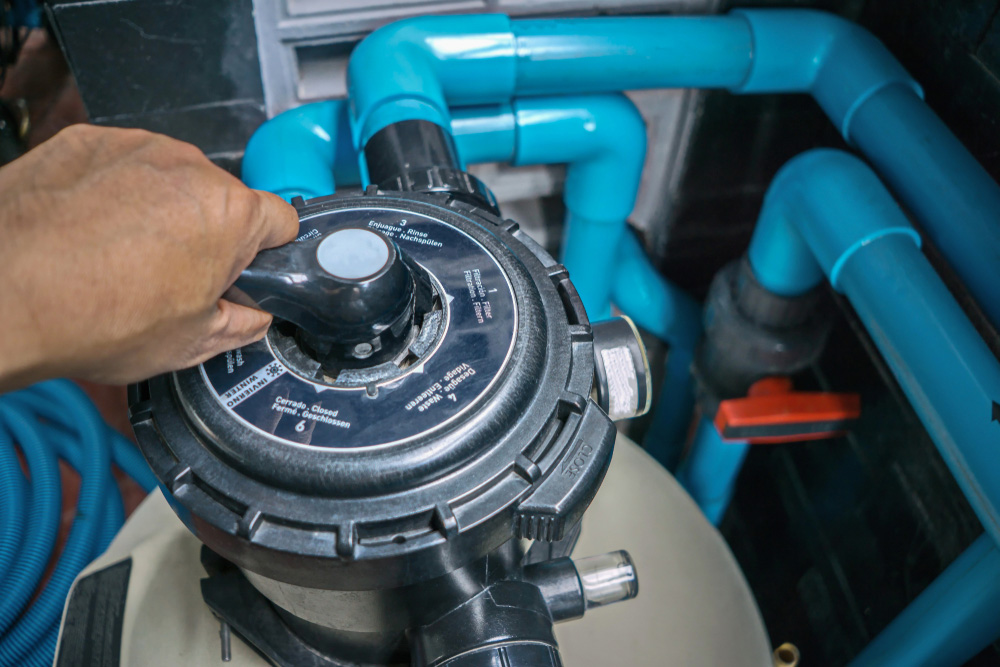
Step 4: Run the Filter Continuously
After shocking the pool, run the filtration system continuously for 24–48 hours. Continuous circulation helps:
- Distribute chemicals evenly
- Remove dead algae
- Improve water clarity
- Support faster recovery
During severe algae outbreaks, longer filtration times may be necessary.
Step 5: Brush All Pool Surfaces
Brushing helps loosen algae from:
- Walls
- Steps
- Floors
- Waterline tiles
This allows chlorine to penetrate algae more effectively and assists the filtration system in removing debris.
Step 6: Vacuum Debris to Waste
Dead algae often settle on the bottom of the pool. Vacuuming to waste removes algae directly from the pool rather than recirculating it through the filter. This can significantly speed up the recovery process.
Step 7: Retest and Rebalance
Once the water clears, retest all chemical levels. Adjust:
- Chlorine
- pH
- Alkalinity
- Stabiliser levels
Proper rebalancing helps prevent algae from returning.
Why Pools Can Turn Green Overnight in Darwin
Many pool owners are surprised by how quickly algae can appear. Darwin’s climate creates a perfect storm for rapid algae growth because of:
- Consistently warm water temperatures
- High humidity
- Frequent rainfall
- Strong UV exposure
- Organic debris from storms
During cyclone season, heavy rain can dramatically dilute chlorine levels while simultaneously introducing nutrients that feed algae. A pool that appears healthy one day can become visibly green the next if chemical levels drop too low.
How to Prevent a Green Pool
Preventing algae is far easier and less expensive than treating a major outbreak.
Maintain Consistent Chlorine Levels
Regular testing helps ensure sanitiser remains within the recommended range. Low chlorine is one of the leading causes of algae growth.
Shock the Pool Regularly
Routine shock treatments can help prevent algae from becoming established. The ideal schedule varies depending on:
- Pool usage
- Weather conditions
- Rainfall
- Water temperature
Darwin pools often require more frequent shock treatments than pools in cooler climates.
Use Algaecides Carefully
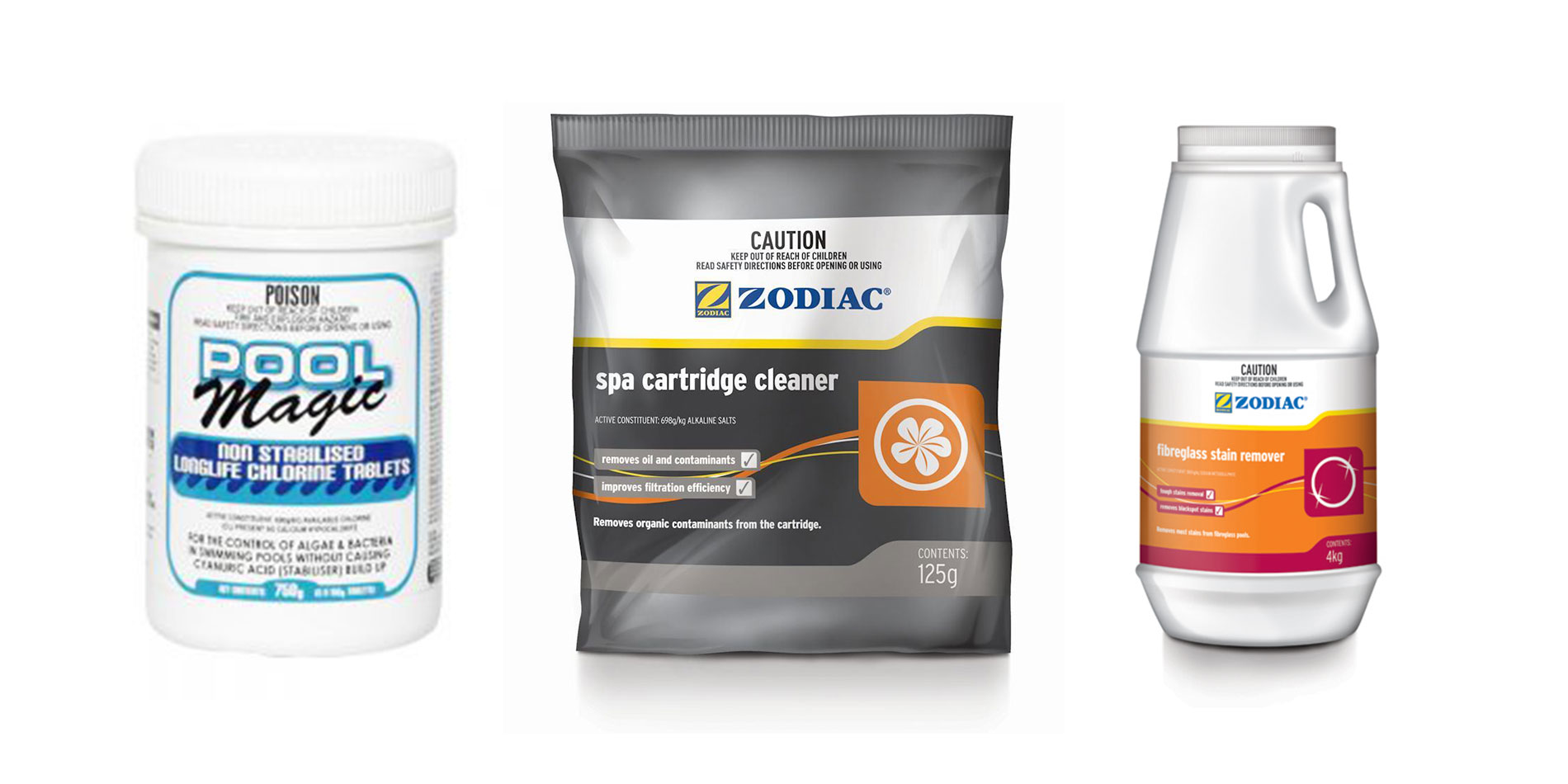
Algaecides can provide an additional layer of protection against algae growth. However, some copper-based algaecides may cause staining on:
- Pool surfaces
- Tiles
- Fibreglass finishes
This is a relatively common issue in Darwin pools, particularly when products are overused or water chemistry is poorly balanced. Always follow manufacturer recommendations and seek professional advice if unsure.
Maintain Proper Cyanuric Acid Levels
Cyanuric acid (stabiliser) protects chlorine from being rapidly destroyed by UV sunlight. This is especially important in Darwin’s high-UV environment. Without sufficient stabiliser, chlorine may dissipate quickly, leaving the pool vulnerable to algae growth.
Keep the Pool Clean
Regular cleaning helps reduce the organic material that algae feed on. This includes:
- Skimming leaves
- Emptying baskets
- Brushing surfaces
- Vacuuming debris
- Cleaning filters
Consistent maintenance supports better water quality and reduces chemical demand.
When Professional Pool Maintenance Makes Sense
While many green pools can be treated successfully by homeowners, some algae outbreaks become difficult to manage without professional assistance. Professional pool cleaning in Darwin can help with:
- Water testing
- Chemical balancing
- Algae treatment
- Filter inspections
- Equipment checks
- Ongoing maintenance programs
For pool owners who want to avoid recurring algae problems, regular servicing can often save both time and money.
Keep Your Pool Clear All Year Round
A green pool is usually a sign that water chemistry has become unbalanced, allowing algae to flourish. In Darwin’s tropical climate, heavy rain, high humidity and intense UV exposure can all contribute to algae growth, particularly during the wet season.
By maintaining proper sanitiser levels, balancing water chemistry, running your filtration system effectively and responding quickly after storms, you can significantly reduce the risk of algae outbreaks.
If your pool has turned green and you’re looking for reliable pool supplies or pool maintenance in Darwin, the team at Hi-Tech Pools & Spas can help keep your water healthy, clear and ready to enjoy throughout the year. Visit our trusted pool shop in Darwin today!