A pool leak rarely announces itself with drama. More often, it begins quietly. A slightly lower waterline. A pump that seems to run longer than usual. A patch of damp soil nearby that never quite dries out. For many pool owners, these early signs are easy to dismiss as evaporation or normal wear and tear.
Over time, however, small plumbing problems can escalate into serious leaks that damage pool structures, strain equipment and increase running costs. In hot, humid conditions, even minor weaknesses in pool plumbing can deteriorate far faster than expected. Understanding how these issues develop, and why early intervention matters, can help prevent extensive repairs later on.
This article explores how common plumbing faults turn into major pool leaks, what causes them to worsen and how professional leak detection in Darwin plays a vital role in protecting residential pools.
Tiny Plumbing Faults Often Go Unnoticed at First
Most pool leaks begin with faults that are difficult to see. Pipes are buried, fittings are concealed and water loss is often gradual rather than sudden. Because pools naturally lose water through evaporation and splash-out, it can take weeks or months before a problem becomes obvious.
Common early-stage issues include:
- Slightly loose pipe joints that allow slow seepage
- Degraded seals around fittings or returns
- Hairline fractures in pipe walls
- Minor stress damage caused during installation or landscaping
At this stage, water loss may seem negligible. Unfortunately, once water finds a pathway out of the system, it rarely stops on its own. Ongoing pressure and movement tend to widen these weak points over time.
Heat & Humidity Accelerate Plumbing Deterioration
High temperatures place constant stress on pool plumbing materials. Pipes expand when heated and contract when temperatures drop, even within a single day. Over months and years, this repeated movement weakens joints and accelerates material fatigue.
Humidity compounds the problem by encouraging corrosion and breakdown of seals. Moist conditions can cause:
- Rubber gaskets to soften & lose shape
- Adhesives to weaken faster than expected
- Metal components to corrode internally
- Existing cracks to absorb moisture & expand
These environmental factors mean that plumbing components, which might last decades elsewhere, can fail much sooner if not properly maintained and monitored.
Loose Fittings Create Pressure Imbalance in the System
Pool plumbing relies on balanced pressure to circulate water efficiently. When a fitting becomes loose, even slightly, it disrupts this balance. Water begins escaping at points not designed to handle flow, increasing stress throughout the system.
Pressure imbalance can lead to:
- Increased pump workload & wear
- Turbulence inside pipes that enlarges weak areas
- Accelerated failure of nearby joints
- Undetected underground water loss
What begins as a single loose fitting can therefore place strain on multiple components, multiplying the risk of larger leaks forming elsewhere in the plumbing network.
Ageing Pipes Become Brittle & Prone to Cracking
As pool plumbing ages, materials naturally degrade. Plastics can become brittle, while older pipework may no longer meet current standards for flexibility and durability. This is particularly problematic in buried plumbing where soil movement adds further stress.
Age-related pipe issues often include:
- Fine cracks that widen under pressure
- Pipe walls thinning over time
- Poor resistance to temperature fluctuations
- Reduced tolerance to chemical exposure
Because these changes happen slowly, pool owners may not realise pipes are nearing failure until water loss becomes significant. By then, repairs are often more invasive and costly.
Hairline Cracks Expand Under Constant Water Pressure
Hairline cracks are among the most deceptive pool plumbing issues. They may not leak continuously at first, opening and closing as pressure changes. Over time, however, constant water flow erodes the crack edges and forces them wider.
This progression typically follows a pattern:
- Initial micro-crack forms due to stress or impact
- Water seeps through intermittently
- Pressure enlarges the crack internally
- Soil erosion around the pipe worsens the leak
- Structural support weakens, causing further damage
Because these cracks are invisible from the surface, specialised leak detection methods are often required to locate them accurately before they cause extensive damage.
Soil Movement Worsens Underground Plumbing Damage
Water escaping from underground pipes does more than reduce pool levels. It alters the surrounding soil structure. As moisture accumulates, soil can shift, compact or erode, placing additional stress on nearby plumbing and pool structures.
Consequences of ongoing underground leakage include:
- Pipe misalignment or separation
- Increased cracking due to uneven support
- Damage to pool shells or surrounding surfaces
- Escalation from a single leak to multiple failure points
This chain reaction is why early leak detection in Darwin is so critical. Addressing the source before soil movement begins can prevent secondary damage that significantly increases repair scope.
Equipment Strain is Often a Hidden Warning Sign
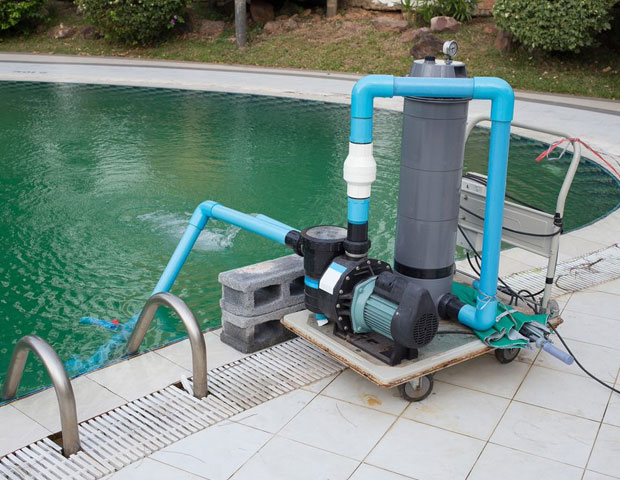
Many pool owners focus on visible water loss, but changes in equipment behaviour can provide early clues that plumbing issues are developing. Leaks force pumps and filtration systems to work harder to maintain circulation and water levels.
Warning signs may include:
- Pumps running longer than normal
- Difficulty maintaining consistent pressure
- Frequent air entering the system
- Increased energy consumption
Left unchecked, these symptoms can shorten equipment lifespan and lead to additional failures unrelated to the original leak. Professional assessment helps distinguish between equipment faults and underlying plumbing issues.
Professional Leak Detection Prevents Escalation
Accurately locating a pool leak requires specialised tools and experience. Guesswork often leads to unnecessary excavation or incomplete repairs that fail to resolve the root cause. Professional leak detection focuses on identifying the precise source of water loss without damaging surrounding structures.
Effective leak detection typically involves:
- Pressure testing of plumbing lines
- Acoustic listening equipment to pinpoint leaks
- Dye testing to trace water movement
- Systematic isolation of pool components
By identifying small issues early, leak detection services help prevent minor faults from turning into major plumbing failures that disrupt pool use and require extensive repairs.
Get in Touch
At Hi-Tech Pools & Spas, we understand how quickly small plumbing issues can escalate in the challenging local conditions faced by pool owners across Darwin and the wider Northern Territory. If you have noticed unexplained water loss, equipment changes or signs that something is not quite right, early action can make a meaningful difference. When searching for ‘leak detection near me’, visit our website to learn more or contact us to book a professional inspection before a minor issue becomes a major repair.