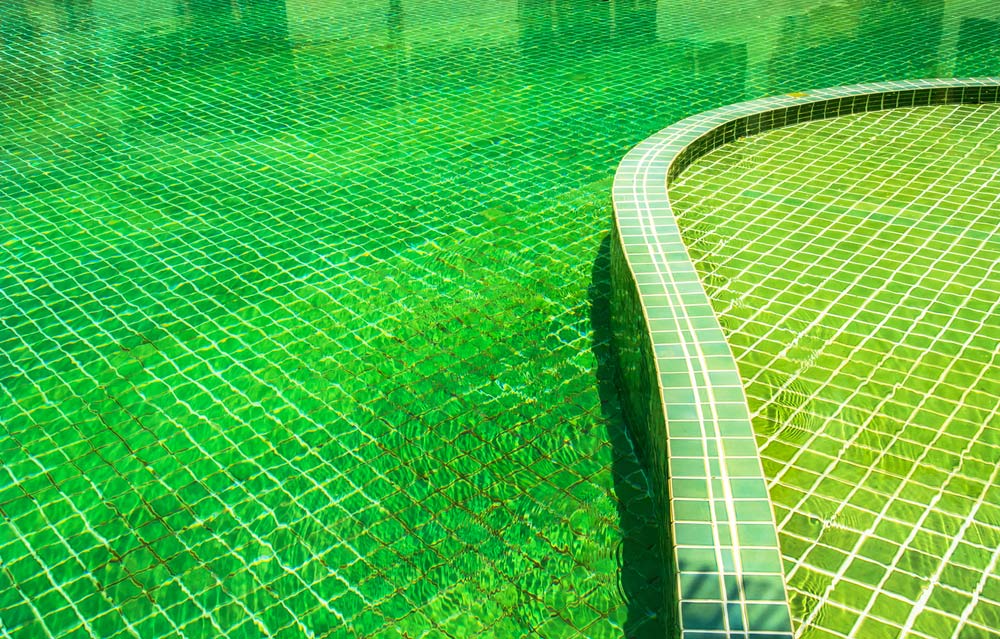
The heat hits early, the humidity builds fast, and before you know it, the pool that looked crystal clear yesterday suddenly has a hint of cloudiness today. It’s a familiar story for many pool owners in the Top End, where the climate changes quickly and the water chemistry can shift just as fast. With conditions like this, it’s no surprise that water testing has become a regular talking point for anyone trying to stay on top of pool care. Even when you follow a routine, small mistakes can snowball into algae blooms, equipment strain or expensive chemical corrections. Understanding the most common pitfalls is the first step toward avoiding them — and keeping your pool healthy through the wet and dry seasons.
When Darwin’s Climate Works Against Your Pool Water Balance
Darwin’s tropical environment affects pools more dramatically than many people realise. With constant heat, UV exposure and seasonal rainfall, your pool water is always being pushed out of balance. Owners often notice that their pool behaves differently depending on the season, and the rapid shifts in water chemistry can be frustrating without guidance. This is where proper maintenance and support help maintain balance before problems become visible.
- High UV levels break down chlorine faster than in cooler climates
- Heavy rainfall dilutes chemical levels and disrupts pH
- Warm water accelerates algae growth and bacteria activity
Understanding the climate’s influence makes it easier to plan more frequent testing or schedule additional servicing during challenging periods.
The “Guessing Game” Mistake: Skipping Regular Water Testing
One of the biggest water-testing mistakes is simply not doing it often enough. Life gets busy, the pool looks fine, and testing slips to the bottom of the to-do list — but by the time issues become visible, the water may already be unbalanced. Regular testing is the foundation of a healthy pool and reduces the chances of needing drastic chemical treatments later.
- Infrequent testing leads to algae growth, cloudy water and staining
- Imbalances can cause skin irritation or discomfort for swimmers
- Regular support from pool maintenance technicians keeps testing consistent
Avoiding the “guessing game” means making testing part of your weekly routine, or arranging ongoing servicing to take the pressure off.
Why Topping Up Your Pool After Rain Can Throw Everything Off
After a big downpour, many owners top up their pool to restore the water level. The problem is that fresh water dilutes chlorine, alkalinity and stabiliser, often creating sudden, unexpected imbalances. Because these changes aren’t always visible, the pool may look fine right after topping up — only to turn cloudy a day later.
- Fresh water reduces chlorine strength immediately
- Large rain events can shift the pH faster than normal
- A technician can rebalance the pool safely after storms or seasonal rains
The key is testing straight after topping up and adjusting as needed rather than waiting for problems to show.
The Hidden Impact of Using Old or Sun-Damaged Test Strips
Test strips exposed to heat, moisture or direct sunlight can give inaccurate readings. Many owners keep their strips in the pool shed, in the glovebox or near outdoor equipment — all places where the heat can affect the chemicals on the strip. Out-of-date or damaged strips often lead to misdiagnosed water issues, causing the wrong chemicals to be added.
- Inaccurate readings can make the pool swing too far one way or the other
- Strips stored in hot areas degrade faster
- In-store water testing or maintenance visits provide accurate, consistent results
Having your water tested professionally every few weeks helps correct any inaccuracies caused by DIY testing tools.
Overlooking Chlorine Demand During the Build-Up of Organic Material
With Darwin’s tropical conditions, organic debris builds up quickly. Sunscreen, sweat, leaf litter and rainfall all increase chlorine demand, meaning the pool needs more sanitiser to stay clean. Many owners only look at the chlorine level itself, not how quickly it’s being consumed — which often causes unexpected drops.
- Organic load rises during the Wet season and during heavy pool use
- Chlorine gets used faster when contaminants build up
- Professional servicing helps maintain sanitiser levels consistently
Understanding chlorine demand helps prevent algae blooms, especially when the weather is warm and unpredictable.
Why pH Swings Faster in the Wet and Dry Seasons
The pH level is one of the first things to shift when the climate changes. During the dry season, evaporation can concentrate minerals in the water, raising the pH. During the wet season, fresh rainwater drives the pH down. These swings can affect comfort, equipment lifespan and chlorine efficiency — which is why monitoring it more regularly is essential.
- Evaporation increases pH by leaving minerals behind
- Rain pushes pH lower, making the water more acidic
- Technicians adjust pH with the correct balancing chemicals for the season
Seasonal patterns play a huge role in water chemistry, and small adjustments can make the pool feel noticeably better for swimmers.
Forgetting to Test for Stabiliser (CYA) — A Common Darwin Issue
Stabiliser, or cyanuric acid (CYA), helps protect chlorine from being destroyed by sunlight. Without it, chlorine levels drop rapidly — especially in Darwin’s strong UV conditions. Many DIY testers skip stabiliser checks altogether, leaving pools vulnerable to sudden chlorine loss.
- Low CYA allows sunlight to burn off chlorine quickly
- High CYA makes chlorine less effective and harder to manage
- Full-parameter testing from pool maintenance technicians includes stabiliser checks
Regular monitoring of stabiliser is essential for keeping chlorine levels predictable and well-balanced.
How a Pool Maintenance Schedule Prevents All Five Mistakes
While DIY testing is helpful, many Darwin pool owners find the climate makes maintenance more demanding. A regular servicing schedule removes much of the stress, helping keep water clear and balanced year-round. By staying ahead of seasonal changes, chemical shifts and everyday issues, pool technicians can prevent the most common water-testing mistakes.
- Scheduled servicing keeps testing accurate and consistent
- Seasonal adjustments protect the pool from climate-related changes
- Professional water treatments help maintain clarity and comfort
A routine service plan supports long-term pool health and reduces the risk of expensive fixes later.
Book a Service Today
At Hi-Tech Pools & Spas, we understand how challenging pool care can be in this part of the country. Our team supports local pool owners with reliable testing, balancing and maintenance services tailored to Darwin’s unique climate. If you’re dealing with cloudy water, rapid chemical changes or seasonal challenges, contact us and let us help you keep your pool healthy all year round. Whether you’re navigating the wet or dry season, we’re here to make pool care simpler, clearer and far less stressful.