Owning a pool can feel exciting at first, until you’re standing in the pool shop staring at shelves of chemicals you don’t fully understand. Chlorine, stabiliser, algaecide, pH adjusters, it can quickly become confusing. Many first-time pool owners ask the same thing: what chemicals do I need for my pool?
The good news is that pool care doesn’t need to be complicated. Once you understand the basics and how each product works, managing your water becomes much more straightforward. This guide breaks down the essentials, explains how to choose the right pool chemicals in Darwin and outlines a simple routine that suits local conditions.
The Core Pool Chemicals Every Beginner Needs
You don’t need every product on the shelf to keep your pool balanced. Most pools rely on a small group of essential chemicals that work together to maintain safe and clear water.
At a minimum, your pool care kit should include:
- Sanitiser (chlorine or salt system) – keeps bacteria and contaminants under control
- pH balancer – adjusts acidity or alkalinity
- Alkalinity increaser – stabilises pH levels
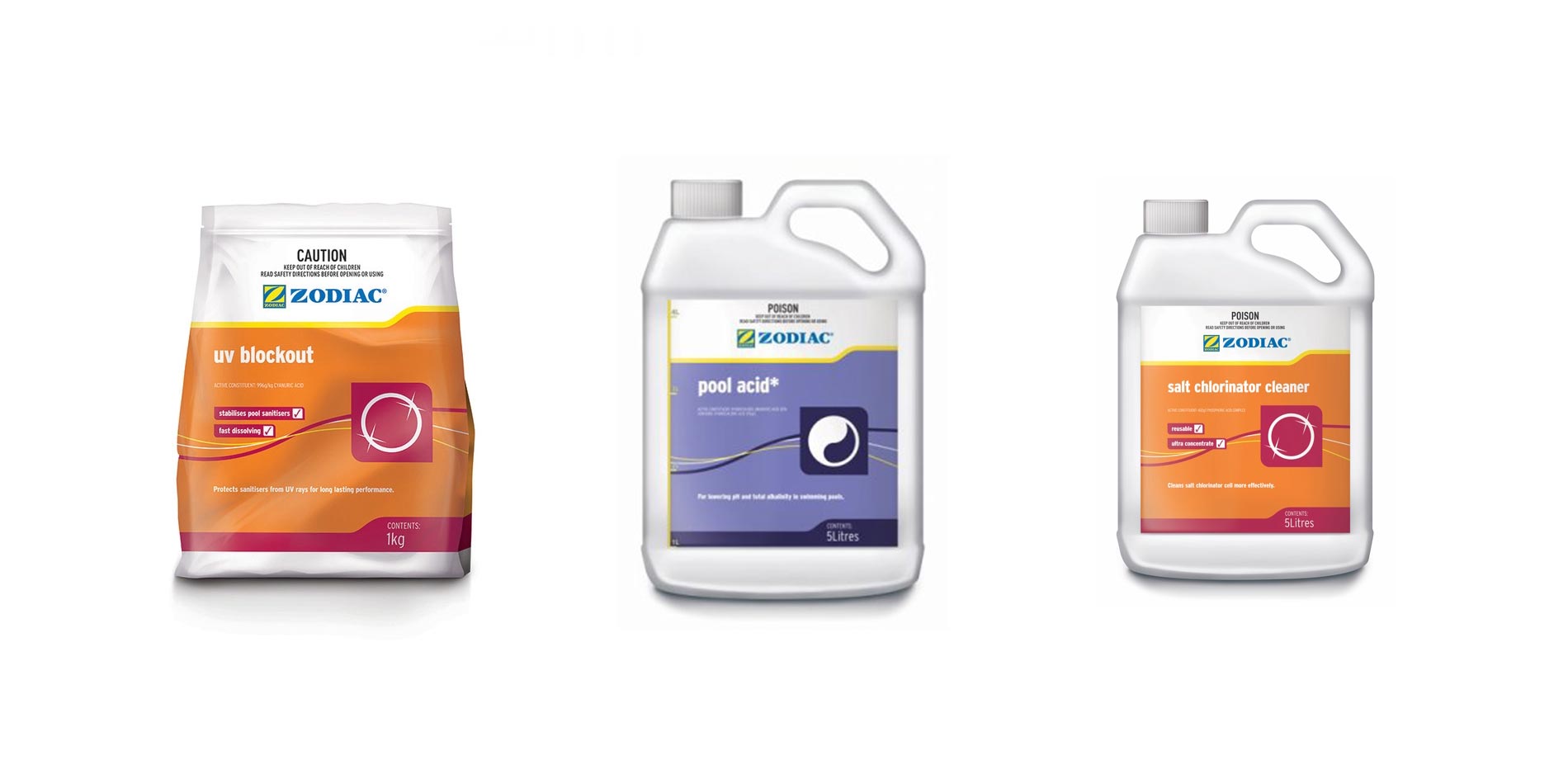
- Stabiliser (cyanuric acid) – protects chlorine from breaking down in sunlight
- Algaecide (as needed) – helps manage algae growth
When shopping for pool chemicals in Darwin or browsing a local pool shop in Darwin, you’ll notice these products form the foundation of most water care systems. Starting with these basics keeps things simple and manageable.
What Chlorine Actually Does in Your Pool
Chlorine is often the first product people think of, and for good reason. It acts as the primary sanitiser, breaking down bacteria, organic matter and contaminants introduced by swimmers and the environment.
There are different forms of chlorine available:
- Liquid chlorine – fast-acting and commonly used for regular dosing
- Granular chlorine – useful for shock treatments
- Chlorine tablets – slow-release option for consistent sanitising
If you have a saltwater pool, your system still produces chlorine, just in a different way. The salt chlorinator converts salt into chlorine automatically, reducing the need for manual dosing.
Maintaining the right chlorine level is key. Too little can lead to cloudy water or algae, while too much may irritate skin and eyes.
Understanding pH & Why It Matters
pH measures how acidic or alkaline your pool water is. Keeping it within the correct range helps your sanitiser work properly and keeps the water comfortable for swimmers.
If pH is out of balance, you might notice:
- Reduced chlorine effectiveness
- Cloudy water
- Scaling or corrosion on pool surfaces
- Skin or eye irritation
To manage pH, you’ll typically use:
- pH increaser (to raise low pH)
- pH reducer (to lower high pH)
Balancing pH is one of the most common adjustments pool owners make, and it often goes hand-in-hand with alkalinity management.
The Role of Alkalinity in Water Balance
Total alkalinity acts as a buffer for your pool’s pH. It helps prevent sudden swings that can make water harder to manage.
When alkalinity is too low:
- pH levels may fluctuate quickly
- Water can become more acidic
When it’s too high:
- pH becomes difficult to adjust
- Water may appear dull or cloudy
To keep things stable, many pool owners use an alkalinity increaser as part of their regular maintenance routine. It’s a simple step that supports overall water balance.
Why Stabiliser Is Important in Sunny Conditions
Stabiliser, also known as cyanuric acid, protects chlorine from being broken down by sunlight. Without it, chlorine levels can drop quickly, especially in outdoor pools.
This is particularly relevant when managing pool supplies in Darwin, where strong UV exposure can affect how long chlorine remains active in the water.
Adding stabiliser helps:
- Extend the lifespan of chlorine
- Reduce how often you need to top up sanitiser
- Maintain more consistent water quality
It’s important not to overuse stabiliser though, as excessive levels can reduce chlorine’s effectiveness.
When & Why to Use Algaecide
Algae can develop when sanitiser levels drop or water balance is off. While chlorine plays a role in controlling algae, algaecide can be used as an additional measure.
Common situations where algaecide may be helpful include:
- After heavy rain or storms
- During warmer months when algae growth increases
- When opening a pool that hasn’t been used for a while
Algaecide is typically used as a preventative or a support treatment, rather than a daily requirement.
How to Know What Your Pool Needs
Understanding what chemicals you need for your pool comes down to one key habit: regular water testing.
Testing your water gives you a clear picture of what’s happening and helps you avoid guessing. You can use:
- Test strips – quick and easy checks
- Liquid test kits – more detailed readings
- In-store water testing services – more precise analysis
Based on your results, you can adjust:
- Chlorine levels
- pH & alkalinity
- Stabiliser levels
- Additional treatments if needed
This approach helps prevent overuse of chemicals and keeps your pool in better condition over time.
How Climate Conditions Affect Chemical Use
Environmental factors play a big role in how often you need to adjust your pool chemistry. Warmer climates, evaporation and seasonal rainfall can all influence water balance.
For example:
- Heat can increase chlorine demand & speed up chemical breakdown
- Evaporation concentrates minerals & affects balance
- Heavy rain can dilute chemicals & introduce contaminants
- Humidity can contribute to algae growth
These conditions mean your pool may need more frequent monitoring and adjustments compared to cooler regions. Keeping an eye on your water and testing regularly helps you stay on top of these changes.
A Simple Weekly Pool Chemical Routine
Keeping your pool balanced doesn’t need to take hours. A basic weekly routine can help maintain consistency and reduce the need for major corrections.
A typical routine might include:
- Testing water levels
- Adjusting pH & alkalinity if needed
- Checking & topping up chlorine
- Inspecting for early signs of algae
- Cleaning debris & maintaining filtration
By sticking to a simple schedule, you can keep your pool water stable and avoid sudden issues.
Common Mistakes Beginners Should Avoid
It’s easy to overcomplicate pool care when you’re just starting out. Many issues come from using too many products or making large adjustments too quickly.
Some common mistakes include:
- Adding multiple chemicals at once without testing
- Overusing chlorine or stabiliser
- Ignoring pH & alkalinity balance
- Skipping regular testing
- Waiting until problems appear before taking action
Taking a measured approach and making small, informed adjustments can make a noticeable difference over time.
Get in Touch
Managing pool water can feel overwhelming at first, especially with local conditions like heat, evaporation and seasonal rain affecting chemical levels. That’s why having the right guidance and products on hand can make the process much simpler.
At Hi-Tech Pools & Spas Pty Ltd, we are here to help you navigate your options, whether you need advice on pool chemicals, water testing or general pool care. Visit us or explore our website to get started, bring in a water sample for testing or speak with our team about your pool setup.